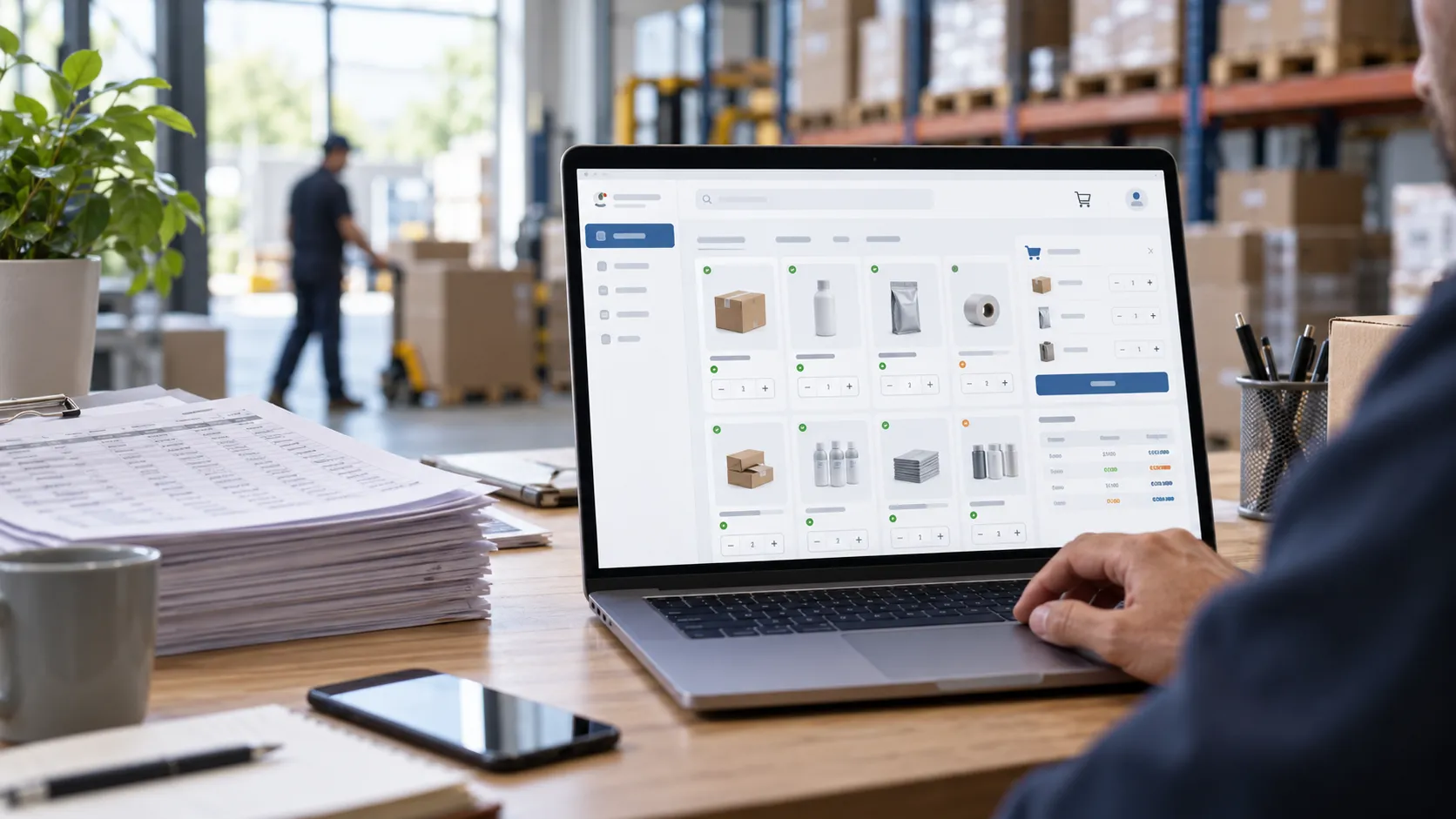
Your own store
Your domain, catalogue, design and content.
Launch a complete ecommerce store without building from scratch. Grow your brand, build direct customer relationships and sell through your own website alongside Amazon, eBay, Etsy and other marketplaces.
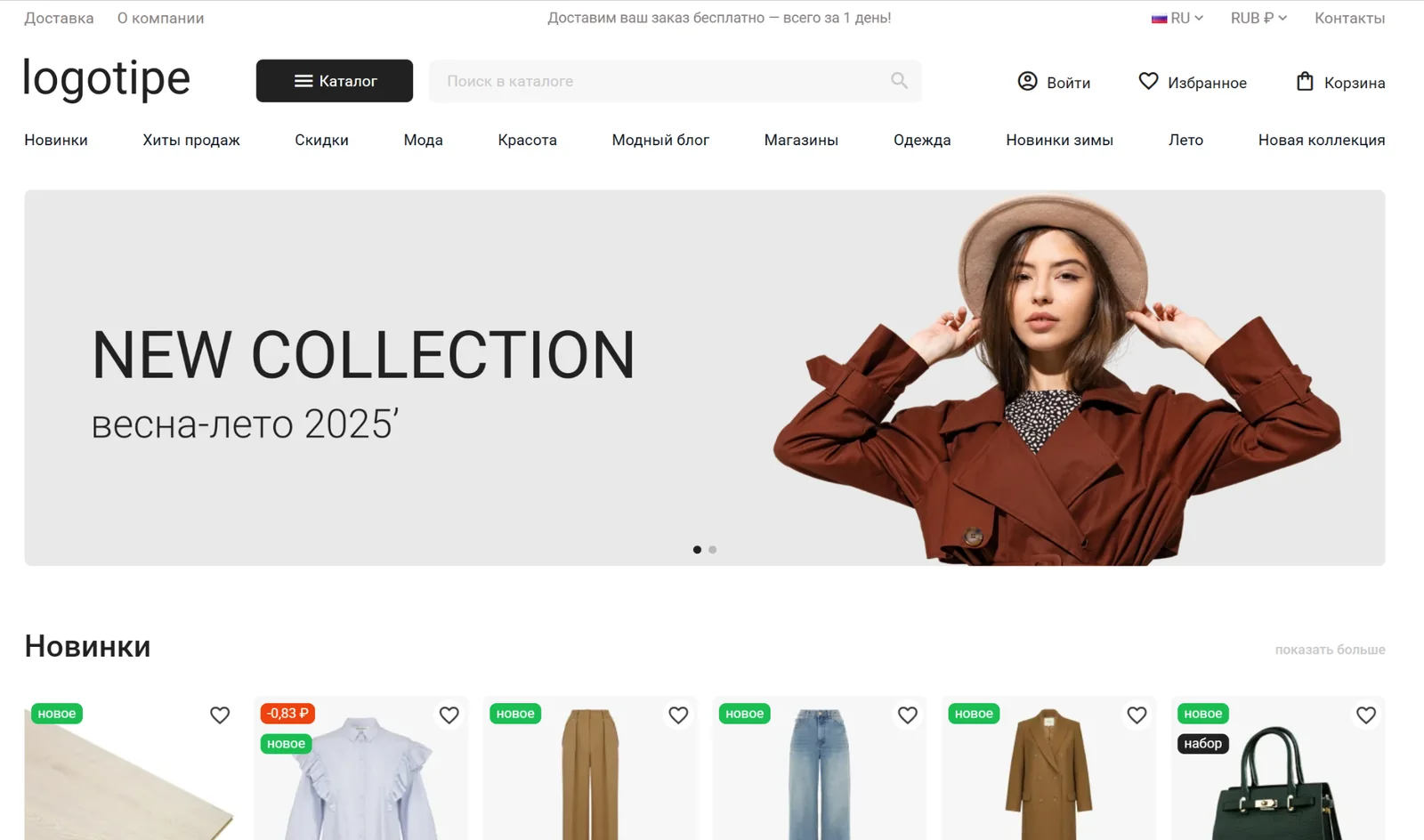
Your domain, catalogue, design and content.
Orders, purchase history and first-party customer data in your store.
Keep selling on marketplaces while developing your own ecommerce channel.
Add modules, apps, AI tools and integrations when your business needs them.
You do not have to choose one or the other. Use marketplaces for reach and discovery, and your own ecommerce website for SEO, repeat purchases, content and direct customer relationships.
A dedicated store address and a searchable web presence for your brand.
Categories, product pages, promotions, collections and content structured around your business.
Order history, repeat purchases and first-party customer relationships.
SEO, mobile apps, automation, modules, integrations and custom development.
Marketplaces can bring reach and new demand. Your own ecommerce store adds a direct sales channel and an asset that you can develop around your brand.
Add your own ecommerce website alongside Amazon, eBay, Etsy, Zalando, Allegro or other marketplaces.
Create a branded ecommerce experience with your own content, design and direct sales.
Sell directly to customers and develop a D2C or B2C sales channel.
Run larger catalogues, payments, shipping and integrations on a platform that can be extended over time.
The essential ecommerce components are already built and integrated. You can focus on adapting the store to your business and getting it ready for sales.
Categories, products, promotions, banners, search and responsive layouts.
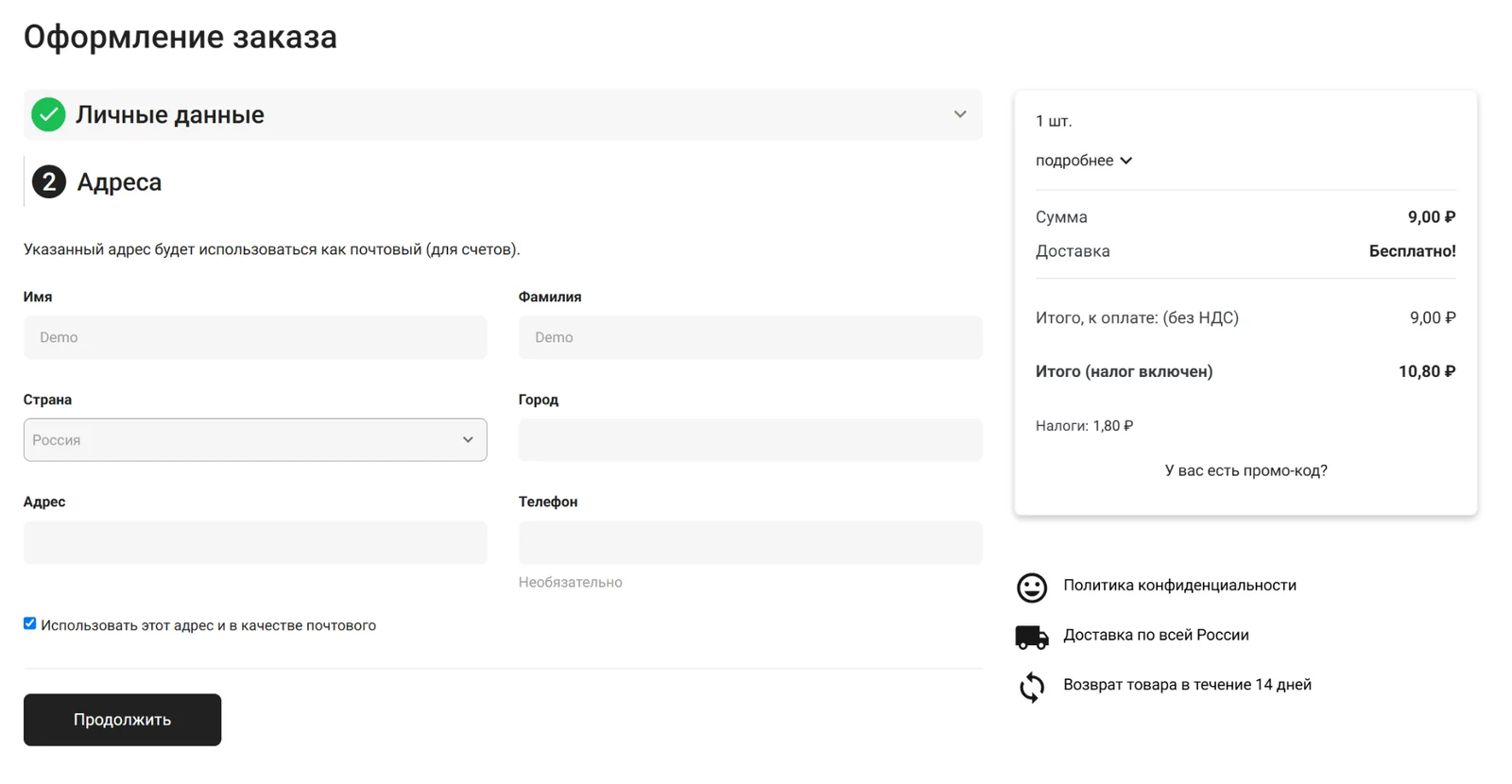
Customers choose products, enter their details, select delivery and place an order.
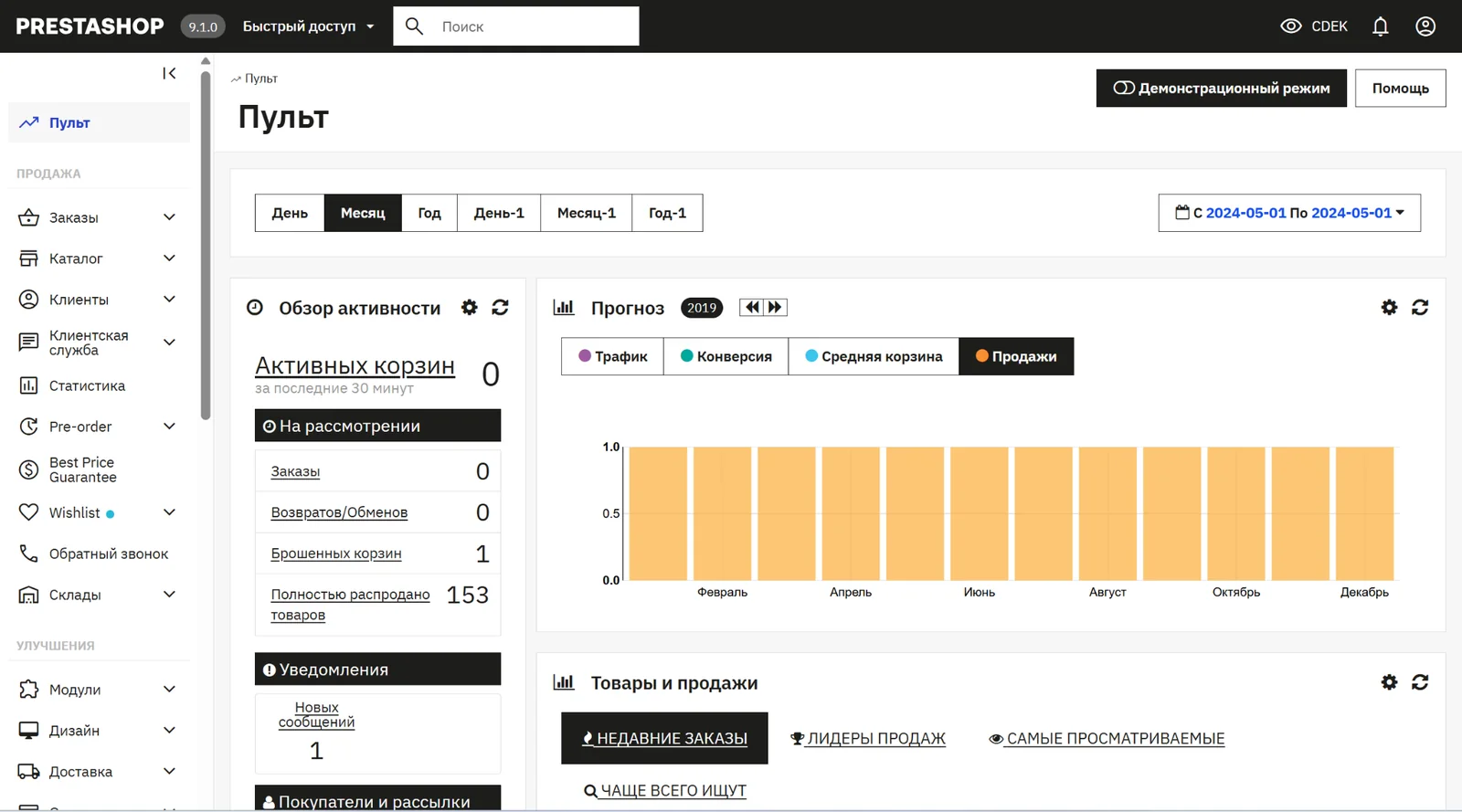
Manage products, orders, customers, stock, settings and analytics in PrestaShop.
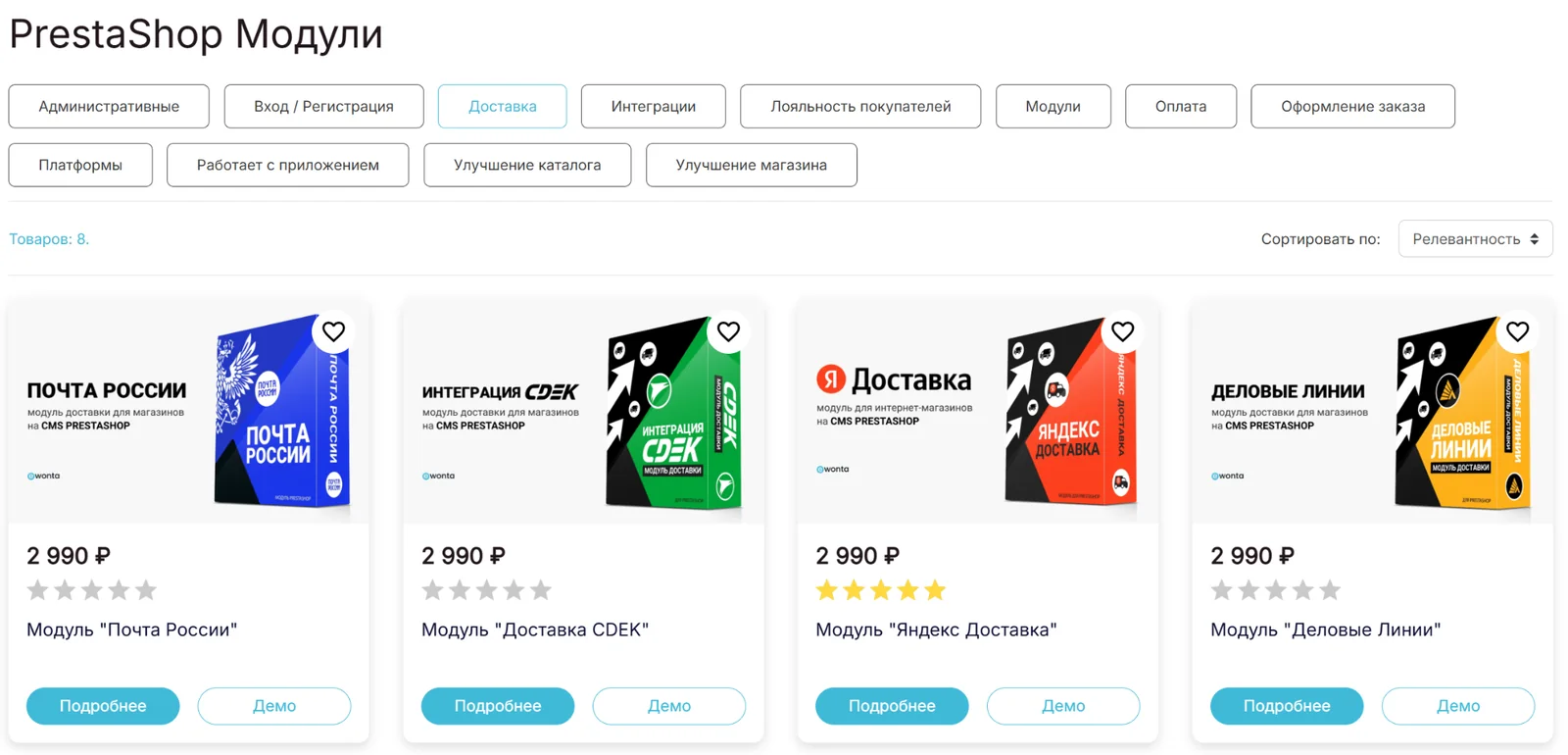
Connect shipping, payments, CRM, ERP and other modules through Ewonta Market.
You do not need to buy every feature on day one. Launch the store first, then add capabilities when they create real value for your business.
Choose a ready solution, connect your domain and add your products.
Connect the payment and shipping methods you need and start taking orders.
Add modules, a mobile app, AI tools, integrations and custom functionality.
For stores with repeat purchases, Ewonta can add an iOS and Android shopping app with your storefront, push notifications and a faster path back to your brand.
View plans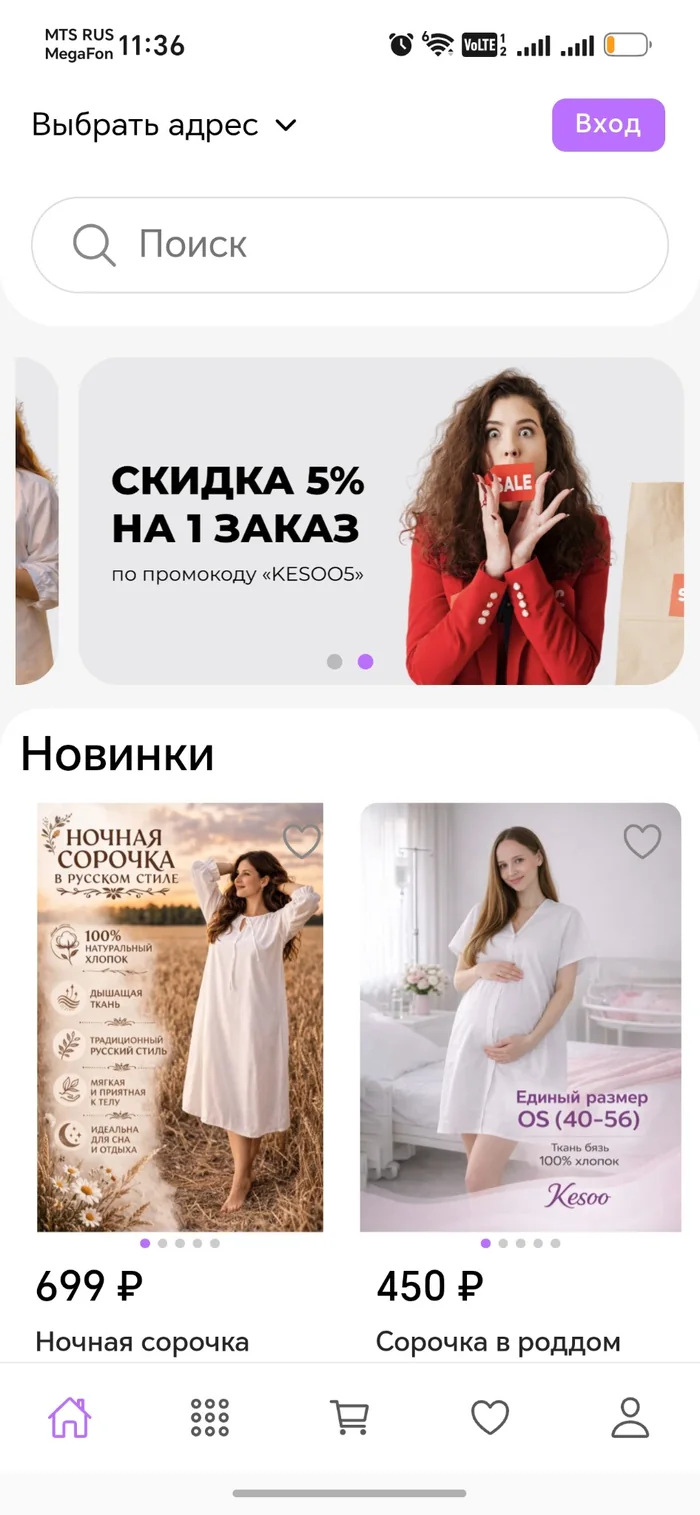
The Ewonta ready‑made database is adapted to the product range and processes of a specific business.
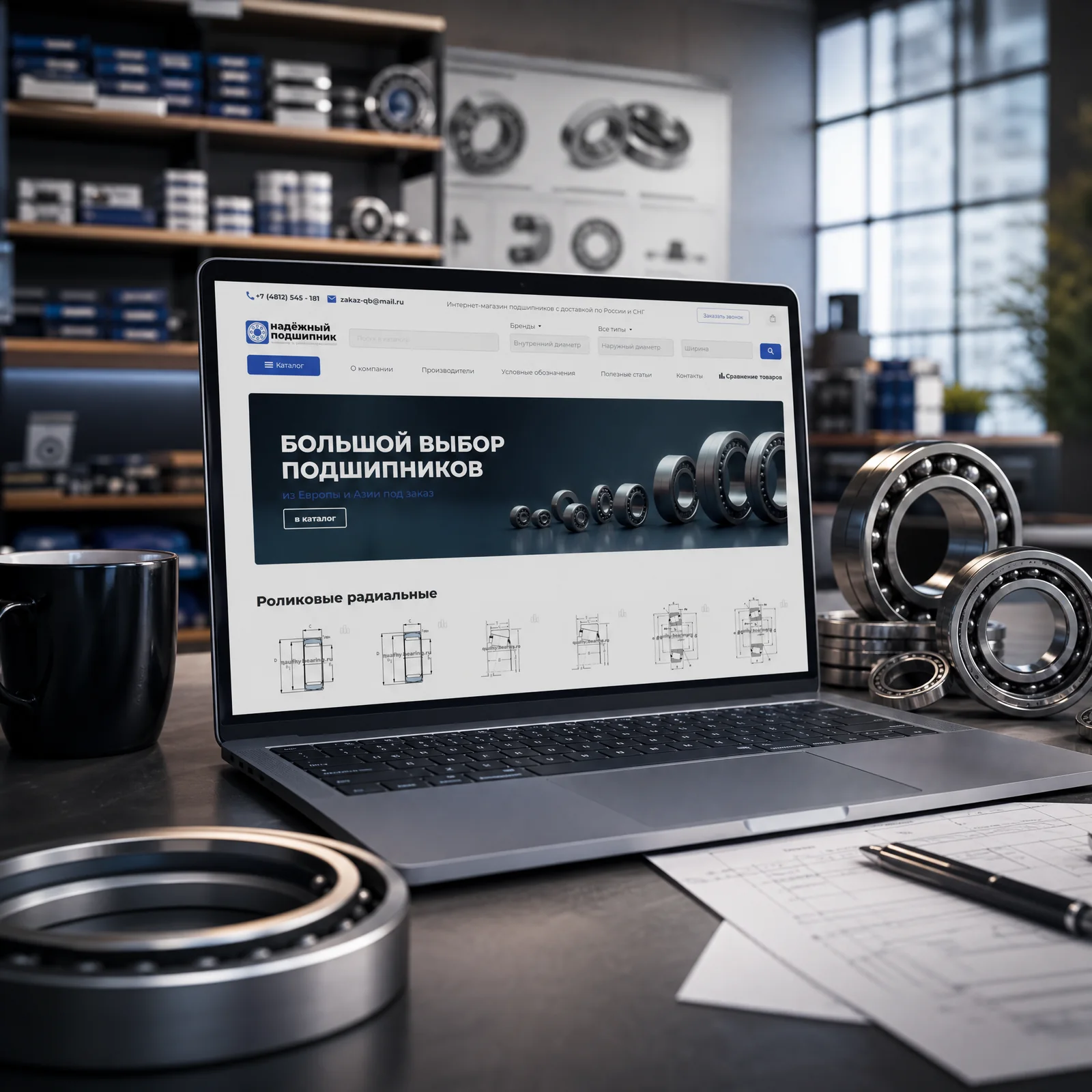
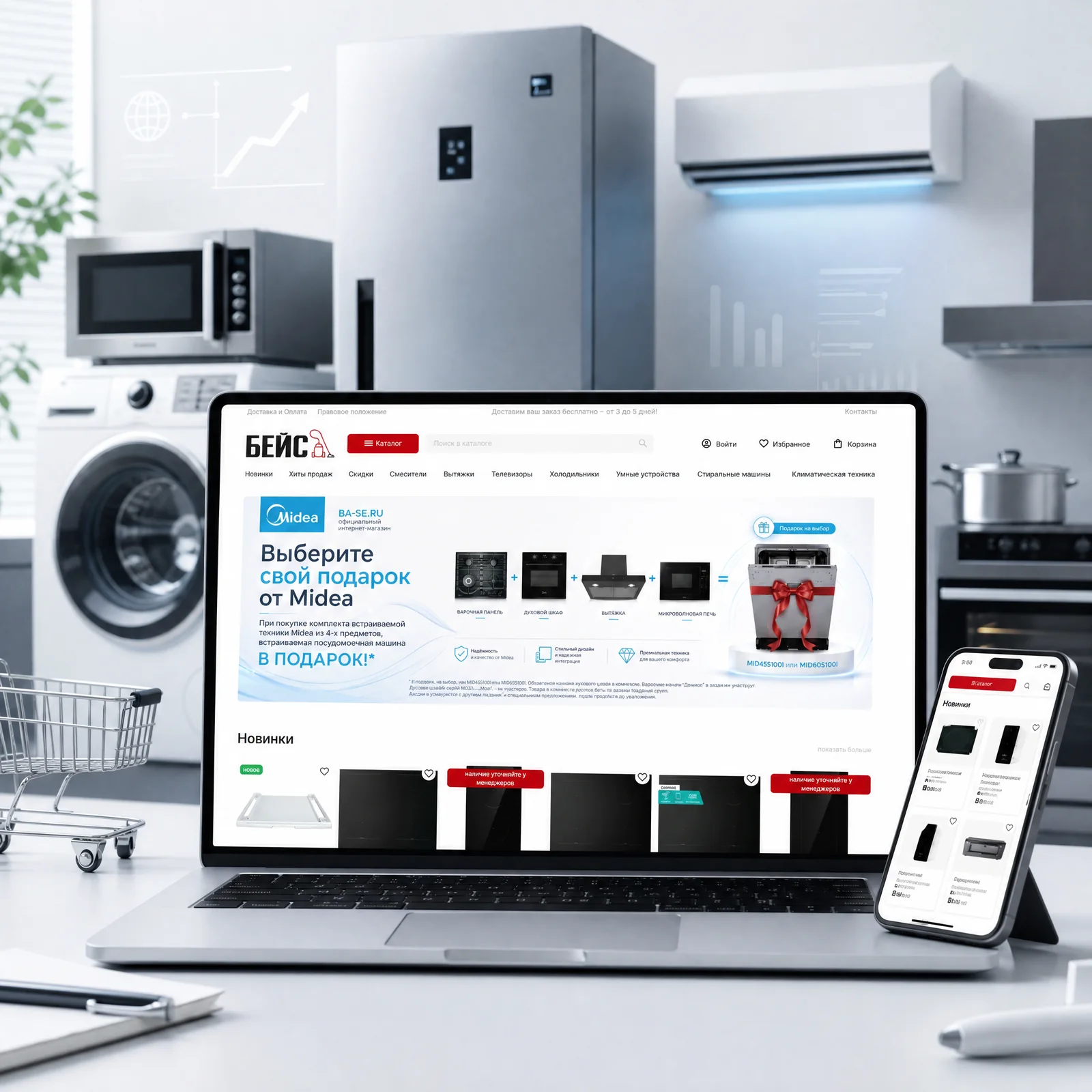
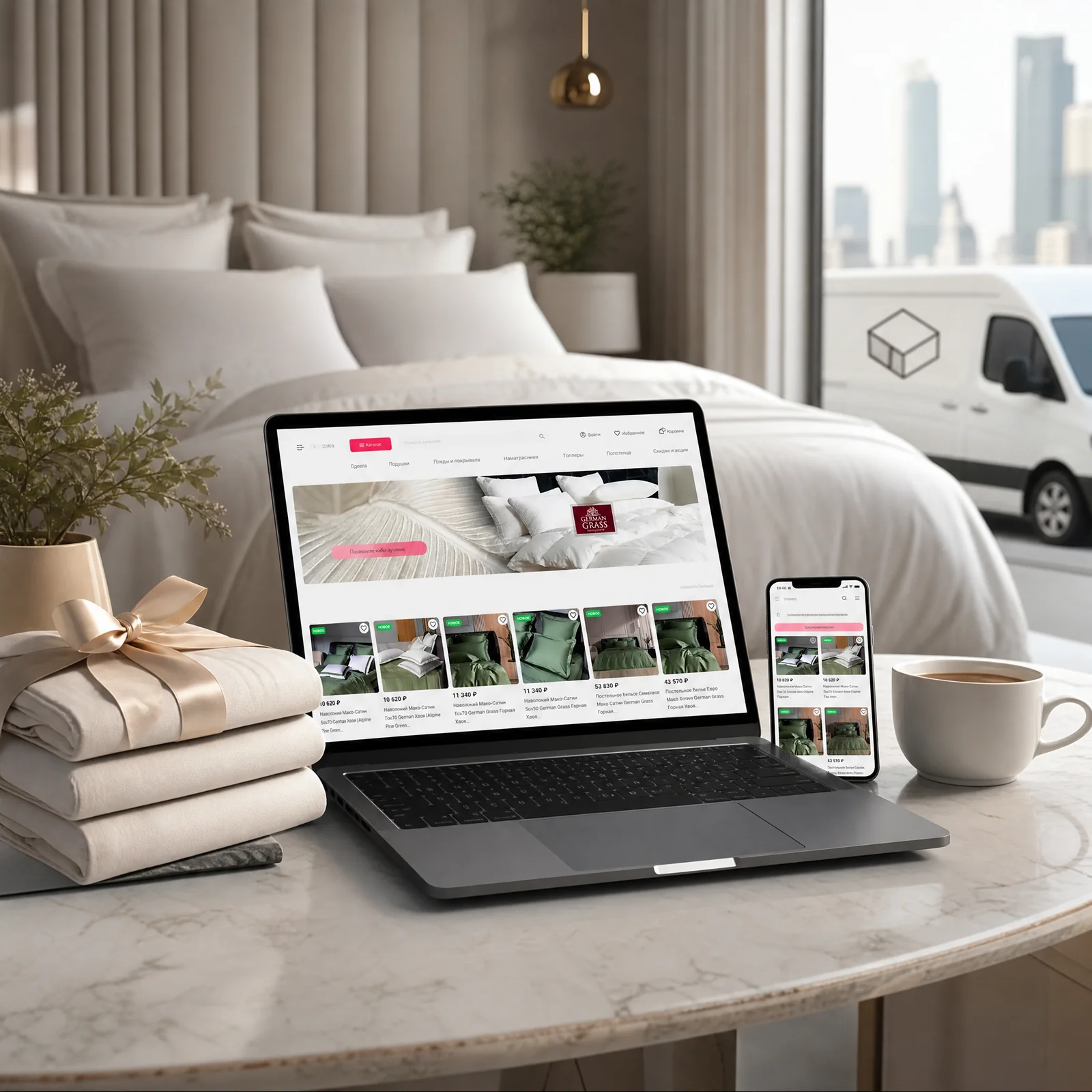
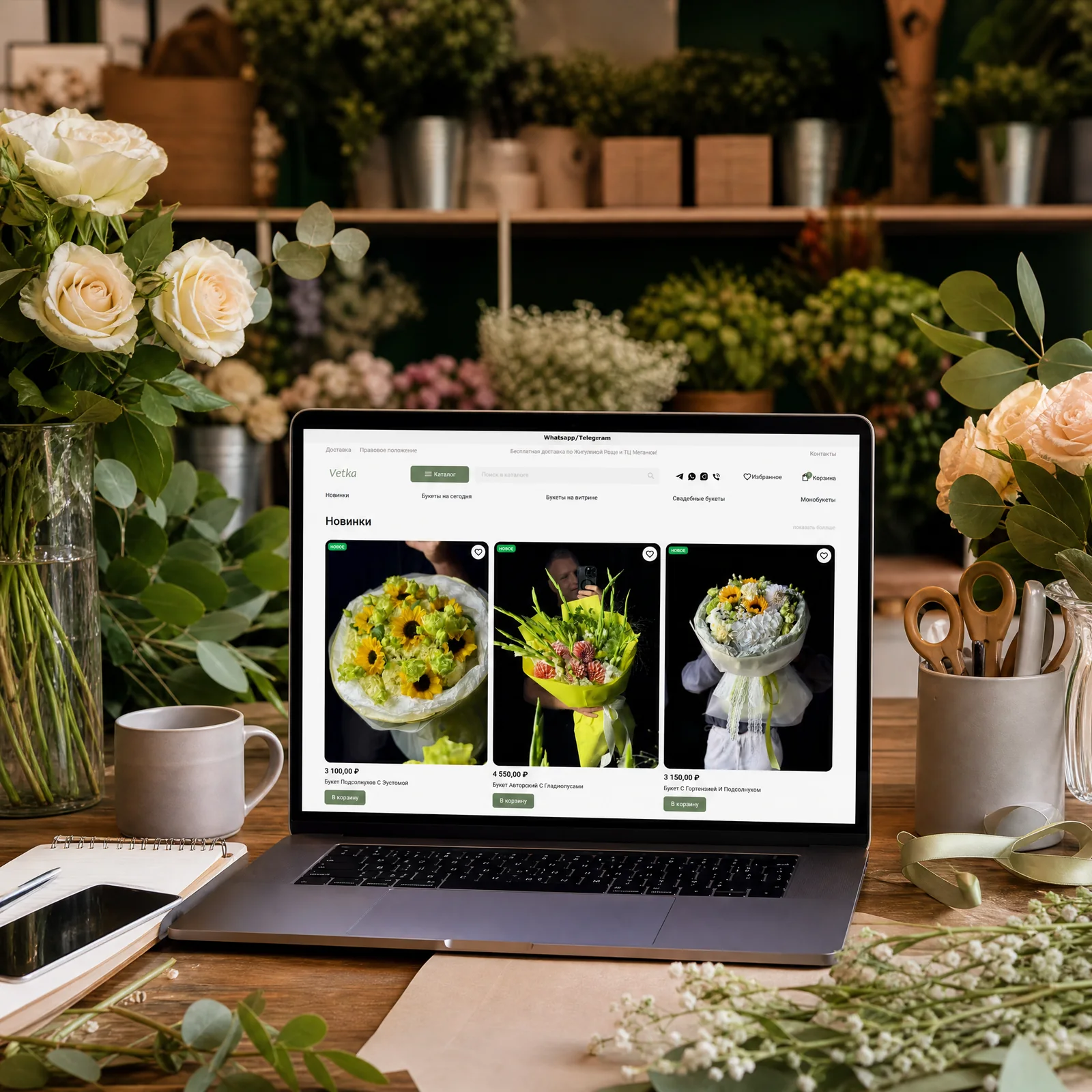
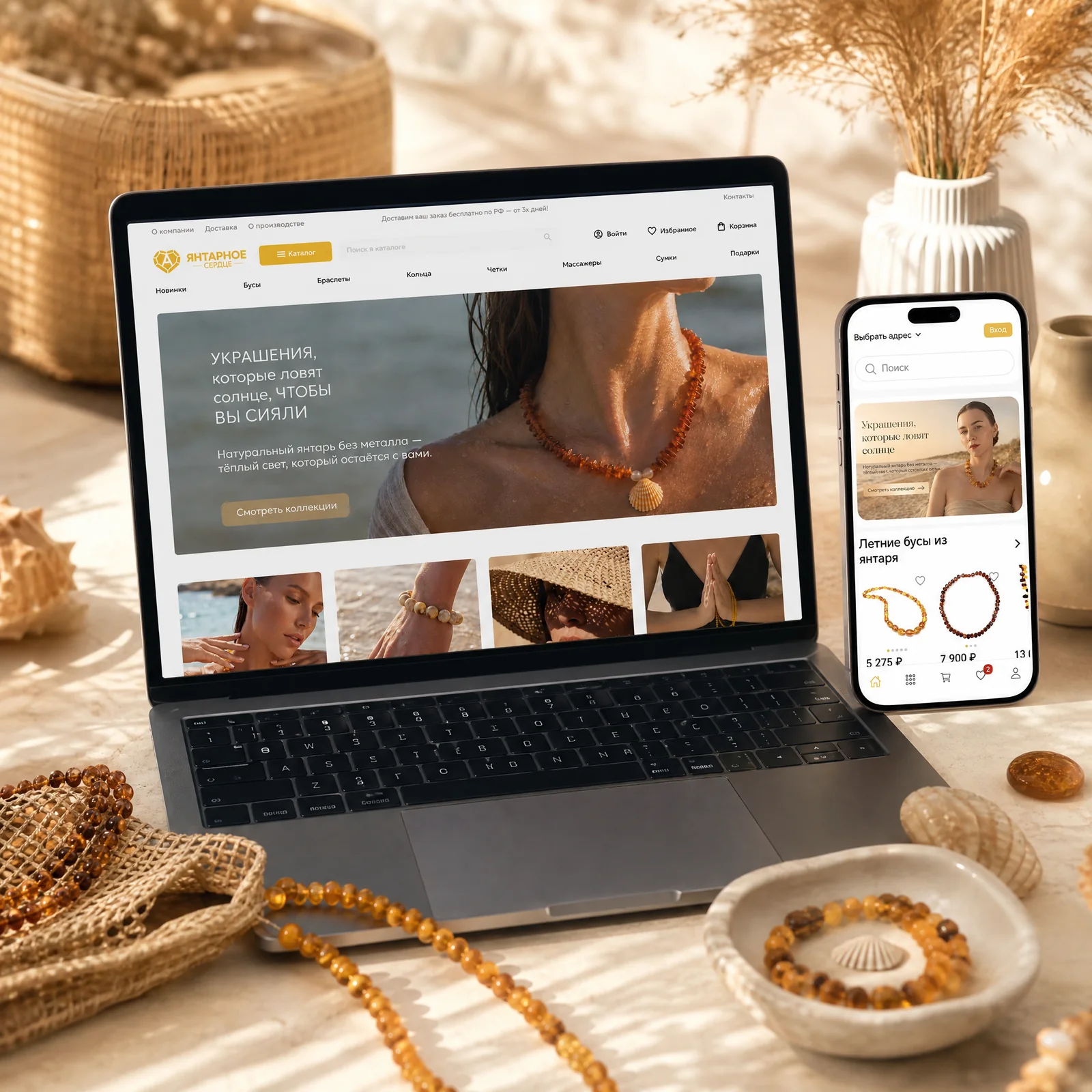
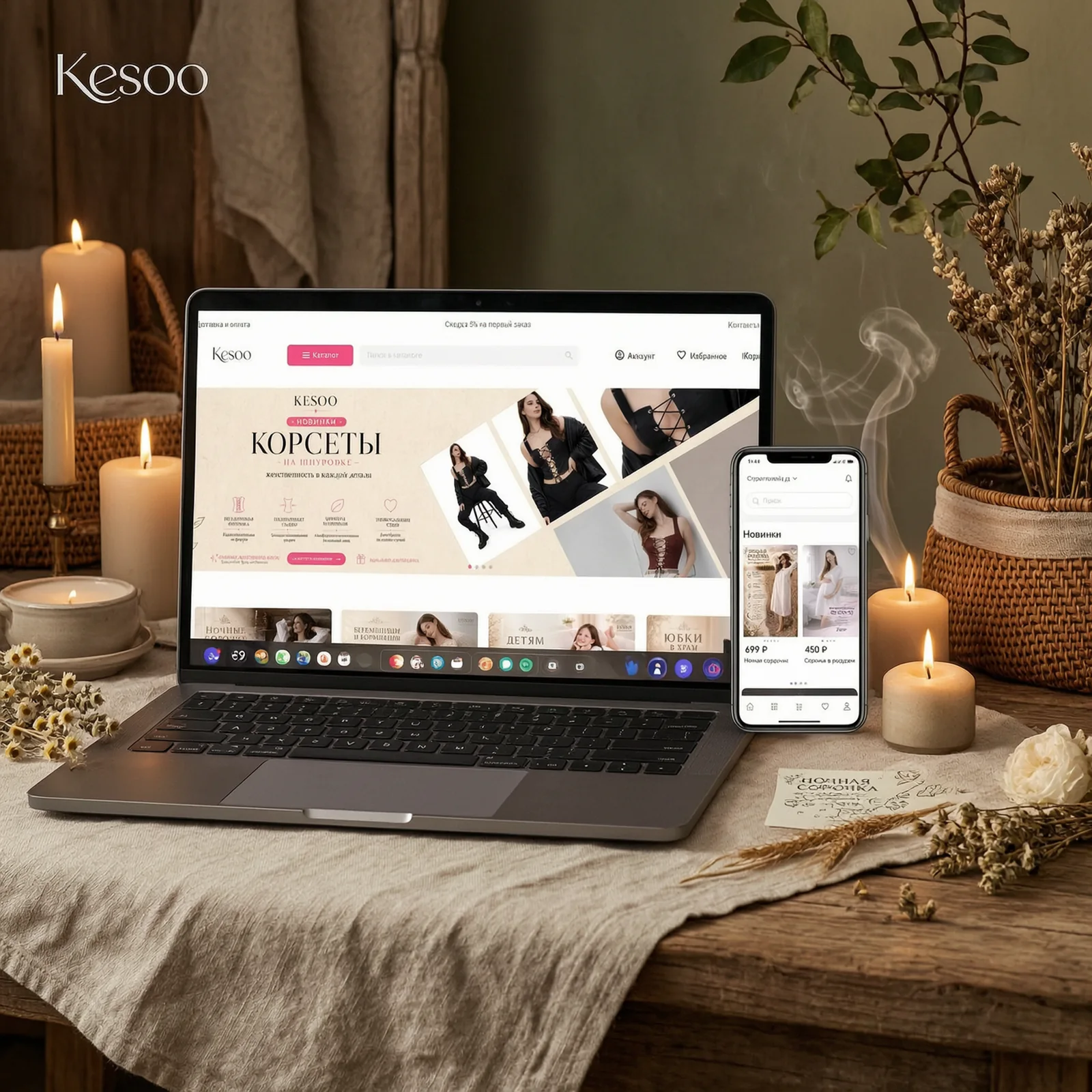
Clear answers to the questions businesses usually have before launching their own online store.
Still have a question?Tell us about your project with no unnecessary commitment.Explore the ready solution, choose a launch option or request a consultation for your ecommerce project.
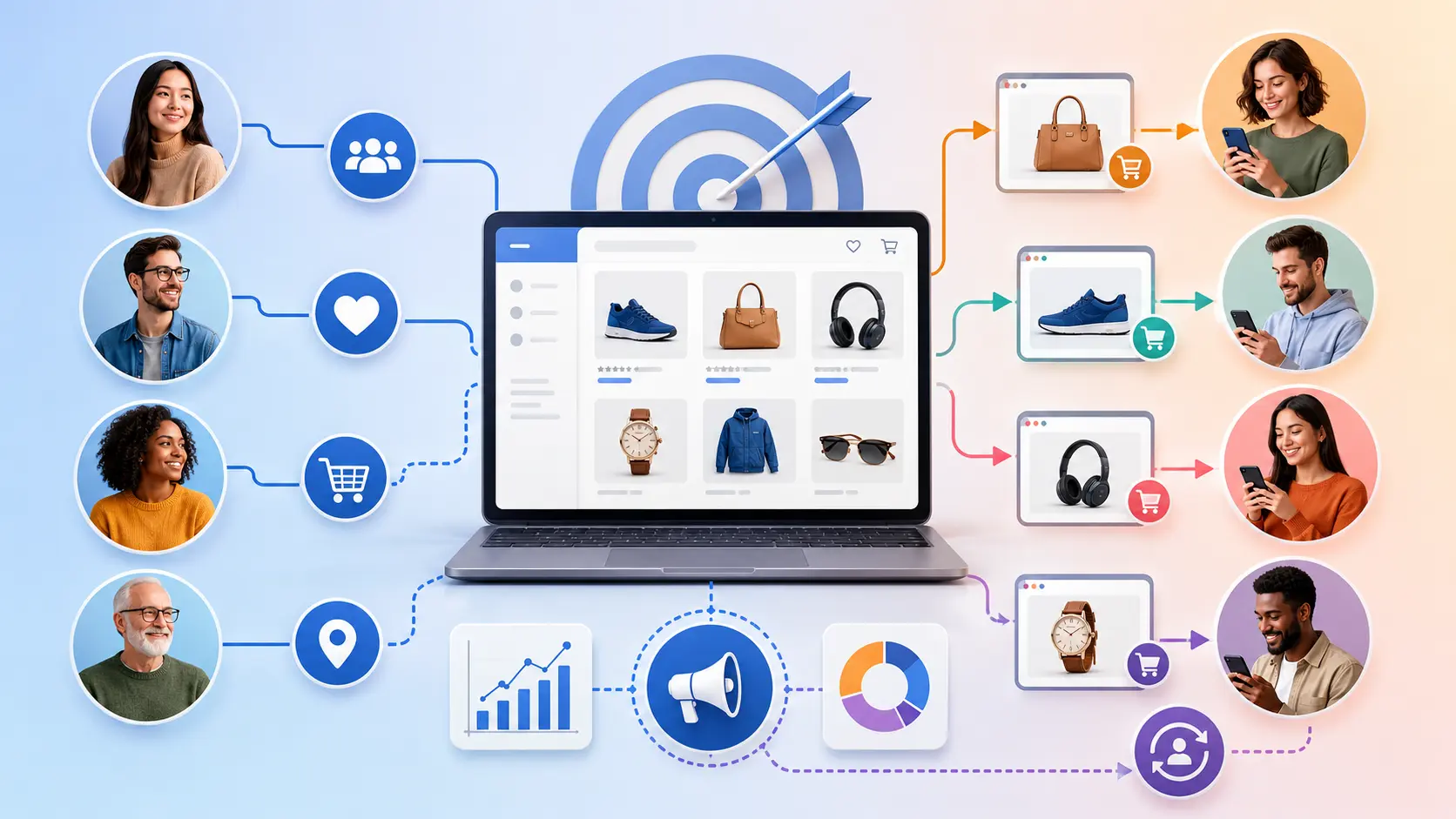
What Is Targeted Advertising and How It Helps Online Stores Find Customers
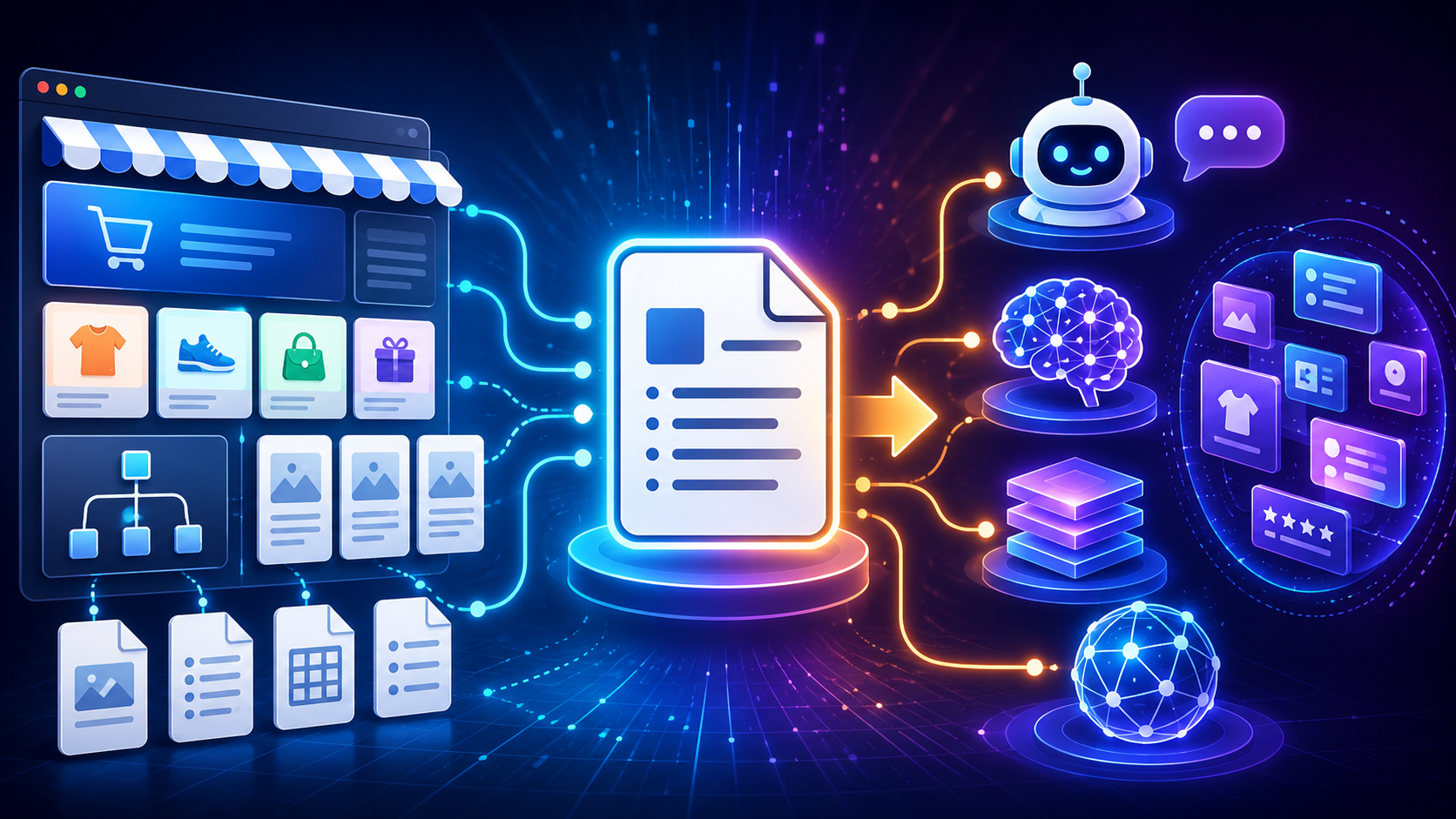
llms.txt: What It Is, Why Websites Need It, and Whether E-commerce Stores Should Implement It