
ERP / CRM / PIM
Business systems
For enterprise
Custom ecommerce solutions for enterprise businesses
For projects where a standard configuration is not enough: complex integrations, large catalogs, multiple sales channels, custom logic, and scaling requirements.
Custom architecture
Complex integrations
Beyond standard plan limits
EWONTA
Commerce platform
CHANNELS
B2B / B2C / Mobile
API
Integration layer
CATALOG
Products & data
LOGIC
Custom workflows
API
Services & integrations
CHANNELS
Web • B2B • Mobile
DEVELOPMENT
Custom business logic
Custom architecture
The solution is shaped around business requirements and existing processes.
Complex integrations
ERP, CRM, PIM, accounting, logistics, payments, and internal services.
Large data volumes
Architecture can account for large catalogs, complex product data, and future growth.
Beyond plan limits
Functionality and infrastructure are defined by project requirements, not a standard package.
Custom project
When business workflows do not fit a standard store
Complex projects need ecommerce that fits into the existing infrastructure and supports company-specific workflows.
Complex catalog
Large catalogs, features, combinations, brands, and connected product data.
Different customer types
B2B, B2C, partners, dealers, and other groups with separate terms.
Custom pricing
Company-specific pricing, discounts, and commercial rules.
Custom checkout
The ordering flow can be adapted to a specific business scenario.
Custom workflows
Statuses, processing stages, and business rules tailored to internal processes.
APIs & external systems
Data exchange with corporate services and external infrastructure.
Architecture
Ecommerce becomes part of the enterprise IT landscape
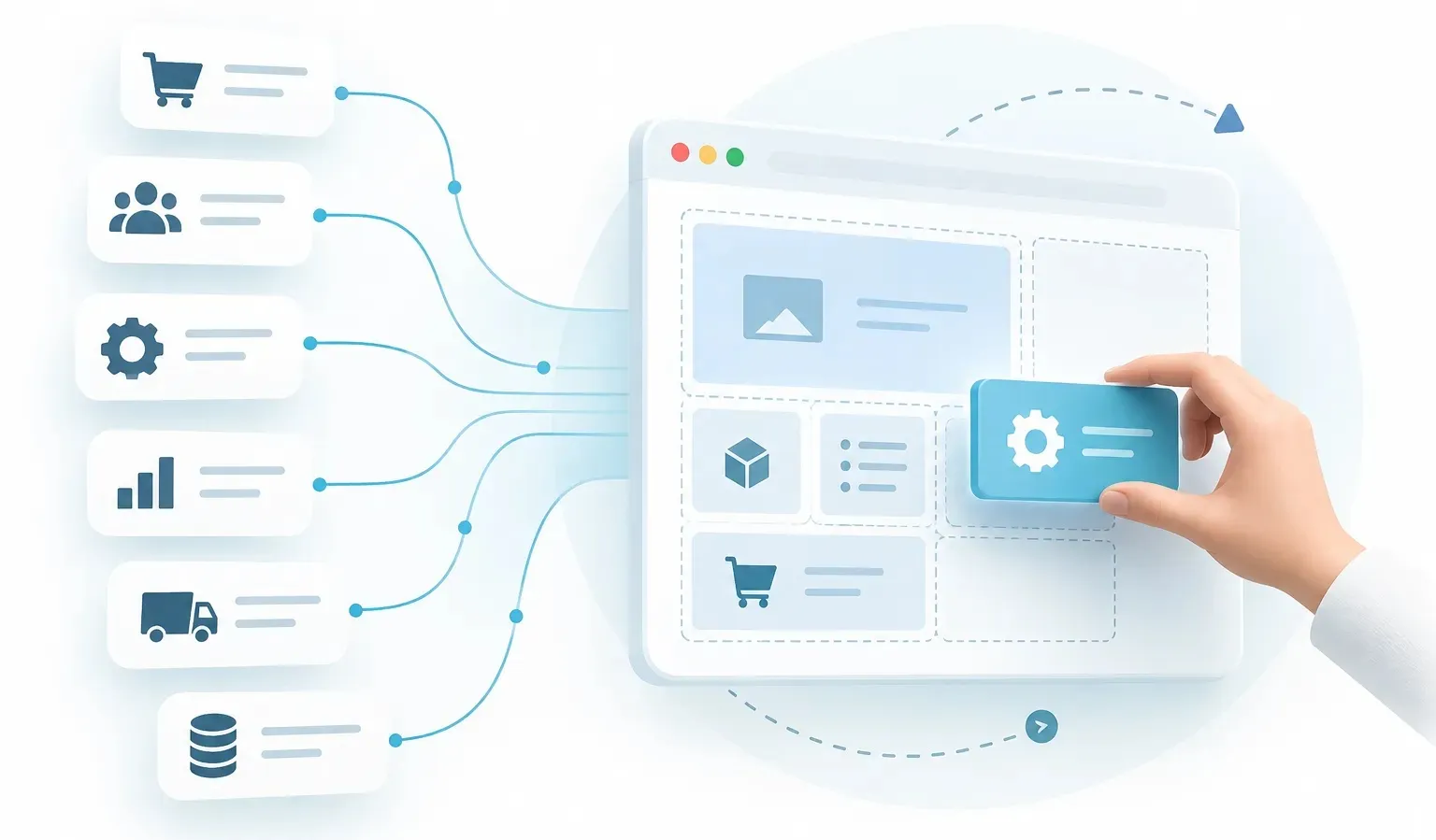
The store can operate as a standalone channel or connect with accounting, customer, warehouse, and other enterprise systems.
ERP / accounting
Products, pricing, stock, and orders.
CRM
Customers, segments, and interactions.
PIM / catalog
Product content and data structure.
API
Exchange with external and internal services.
Ecommerce
Web, B2B, B2C, and mobile channels.
Custom logic
Do not force the business into the platform — adapt the platform to the business
PrestaShop provides an extensible foundation for implementing workflows tied to company-specific business rules.
- custom ordering rules
- custom statuses and stages
- internal service integrations
Catalog & data
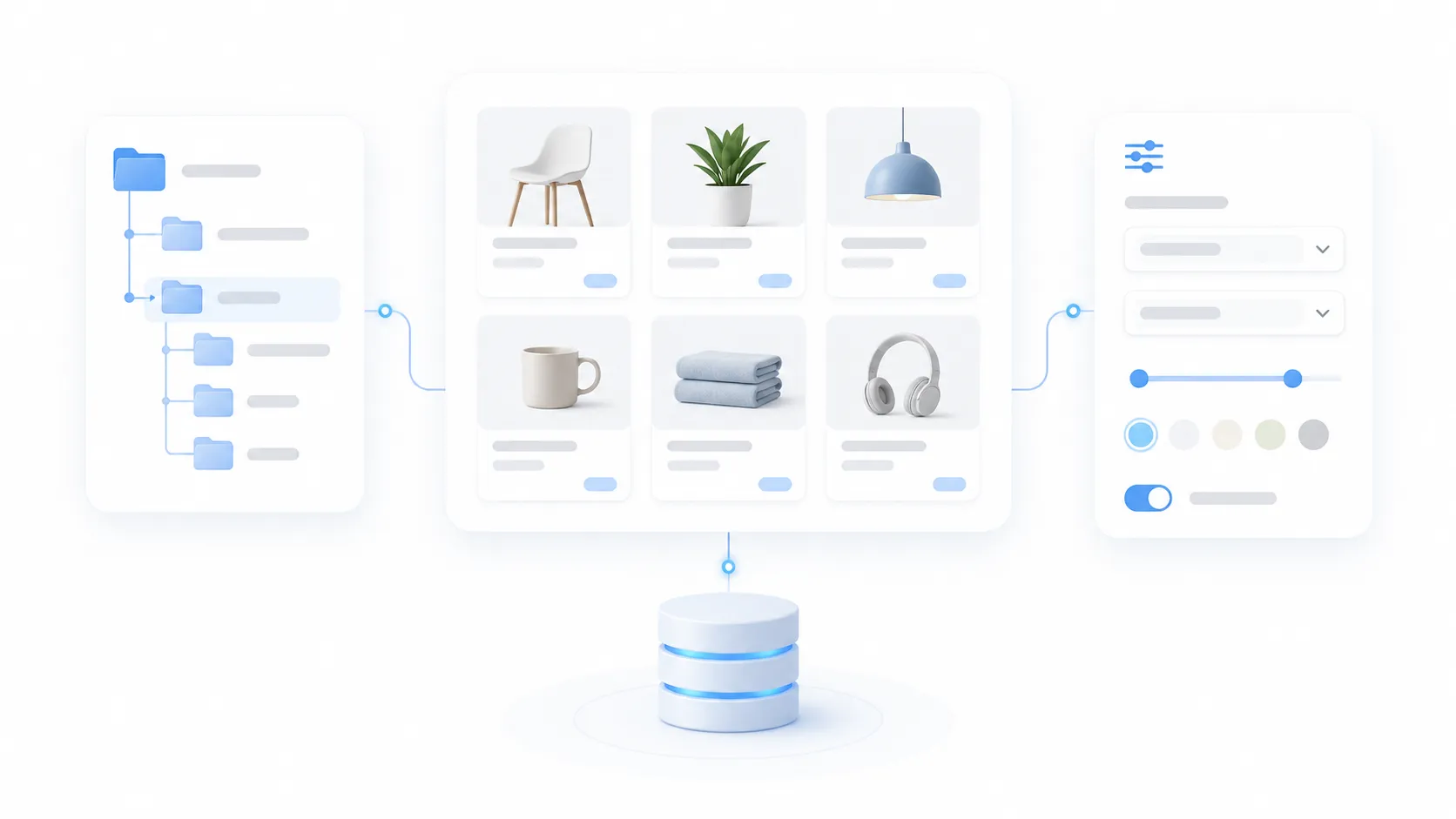
Large catalogs and complex product data
The project structure can accommodate tens of thousands of products, features, combinations, brands, categories, and related data without forcing a simplified catalog model.
Multiple sales models
B2B and B2C within one architecture
One platform can serve multiple audiences and sales channels while preserving different rules for each model.
B2C
Retail ecommerce for end customers.
B2B
Portal for business customers, dealers, and partners.
Mobile
Mobile channels for customers and management.
External channels
Connect additional services and channels through integrations.
Extensibility
The platform evolves with the business
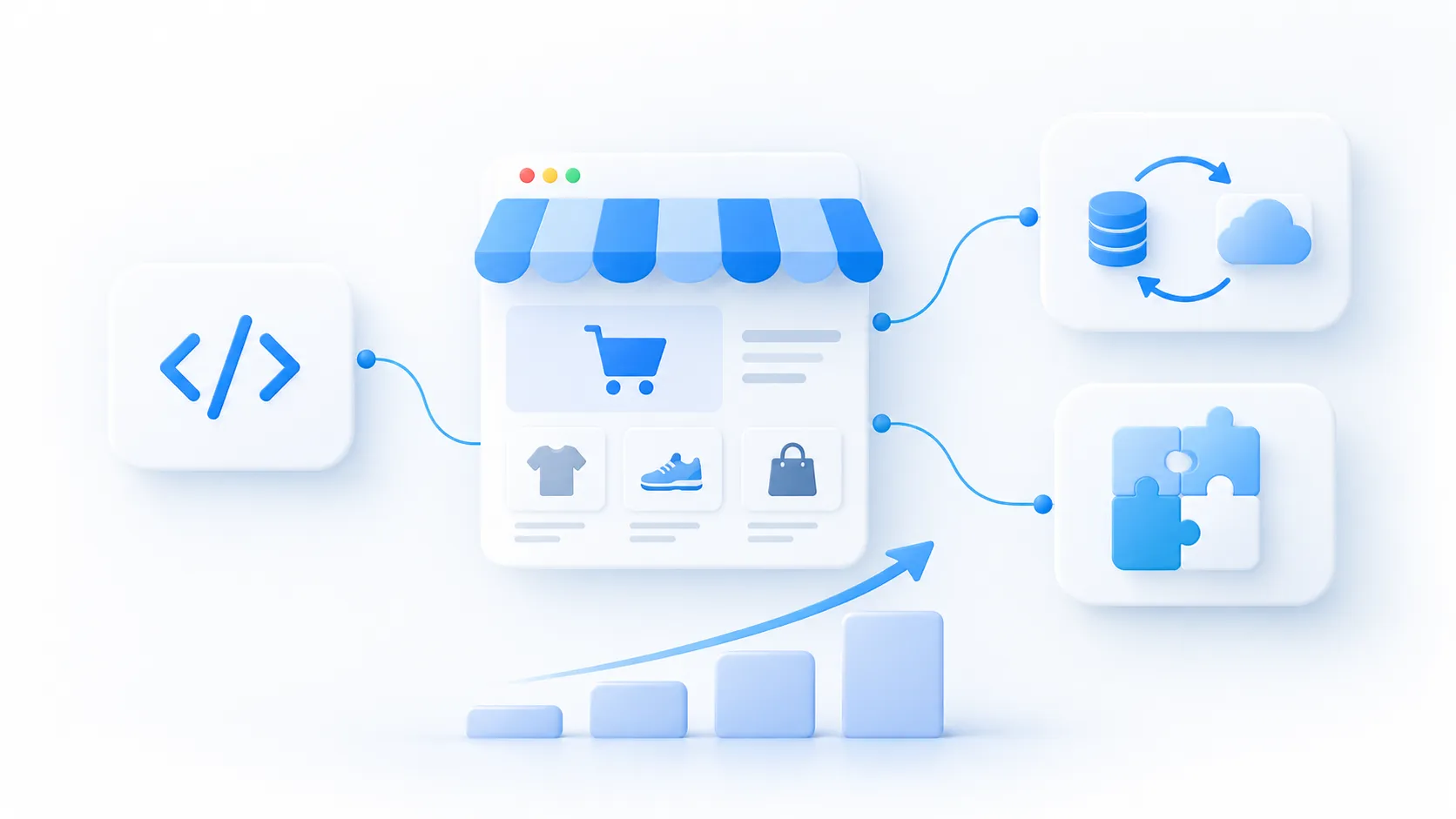
The open PrestaShop architecture allows custom modules, APIs, integrations, mobile apps, and new functionality to be added as the project evolves.
Project approach
From requirements to a working system
The solution is shaped in stages: requirements and architecture first, then integrations, custom logic, and ongoing development.
Analysis
Requirements, workflows, and current infrastructure.
Architecture
Platform scope and integration landscape are defined.
Integrations
Ecommerce connects with existing systems.
Development
Company-specific business logic is implemented.
Evolution
The project is supported and expanded after launch.
No standard plan.
Cost, infrastructure, and development scope are defined individually after the project requirements are understood.
Project types
For projects that need more than a standard solution
An enterprise approach fits projects where integrations, custom workflows, and architectural flexibility are critical.
Corporate ecommerce
Complex integrations and internal business processes.
B2B portal
Dedicated terms and workflows for business customers and partners.
Multi-brand platform
Large catalog, multiple brands, and sales channels.
Custom ecommerce
A project with business logic that cannot be covered by a standard configuration.
Custom project
Discuss the requirements and a solution for the required scale
Architecture, integrations, and development scope are defined by requirements, current infrastructure, and business processes.
FAQ
Questions about enterprise ecommerce projects
The final configuration depends on business workflows, integrations, data volumes, infrastructure, and future development requirements.
For large and complex projects, configuration, architecture, integrations, and development scope are defined individually. The solution is not limited by a standard plan.
Yes. Integrations can use ready-made modules, APIs, or custom connectors depending on the existing infrastructure.
Yes. The project architecture can accommodate large assortments, features, combinations, brands, categories, and related data.
Yes. One architecture can support multiple sales models with different terms for different customer types.
Yes. Ewonta is built on the open PrestaShop architecture and can be extended with custom modules, integrations, and development.
The cost is defined after reviewing requirements, integrations, custom development scope, infrastructure, and implementation stages.
Grow your
business together
More articles

#Advertising
03.09.2026 15:51
What Is Targeted Advertising and How It Helps Online Stores Find Customers
#E-commerce
27.08.2026 09:29
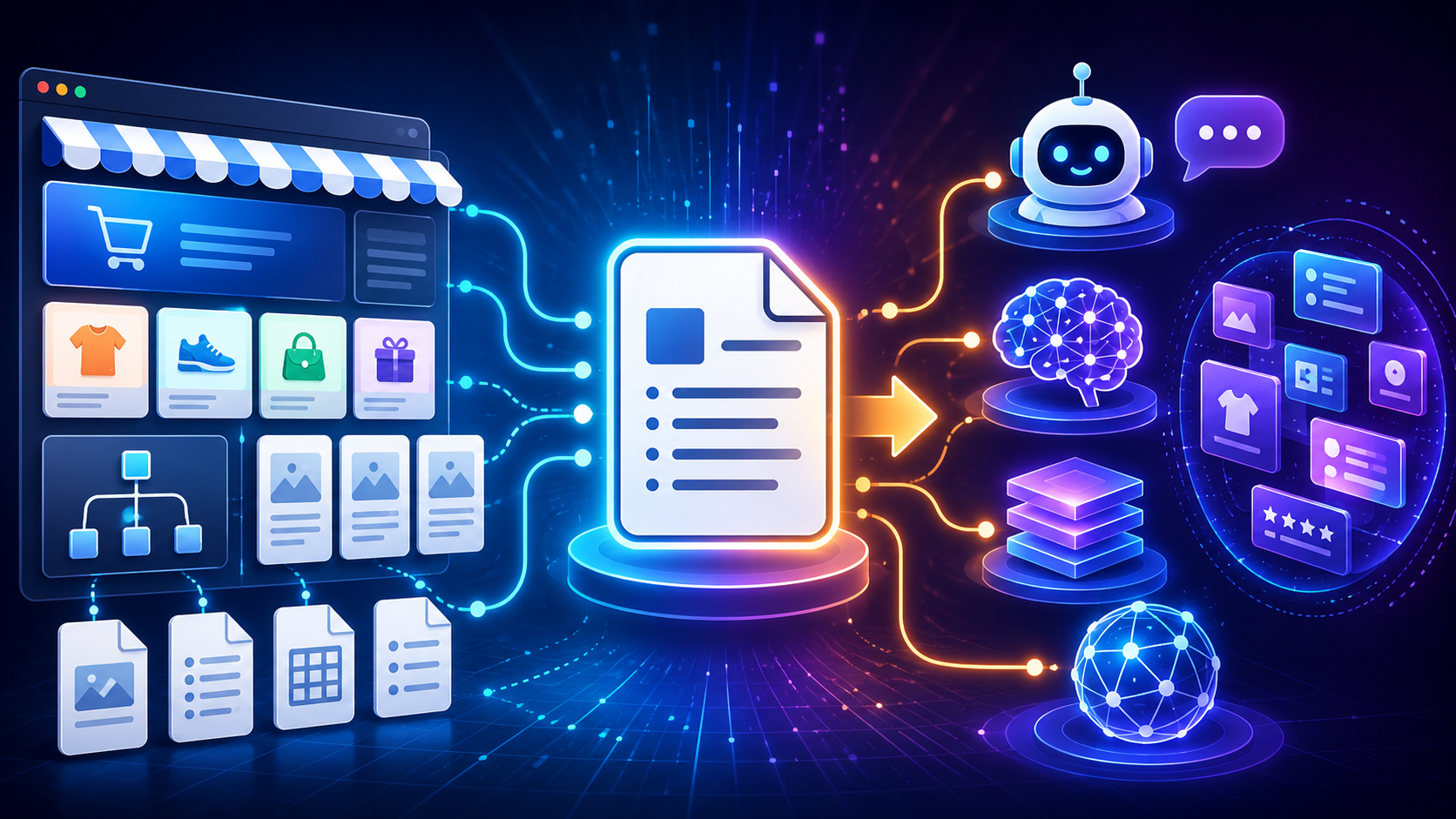
llms.txt: What It Is, Why Websites Need It, and Whether E-commerce Stores Should Implement It